 All Dry Services of East Tennessee

 60 Min Response Time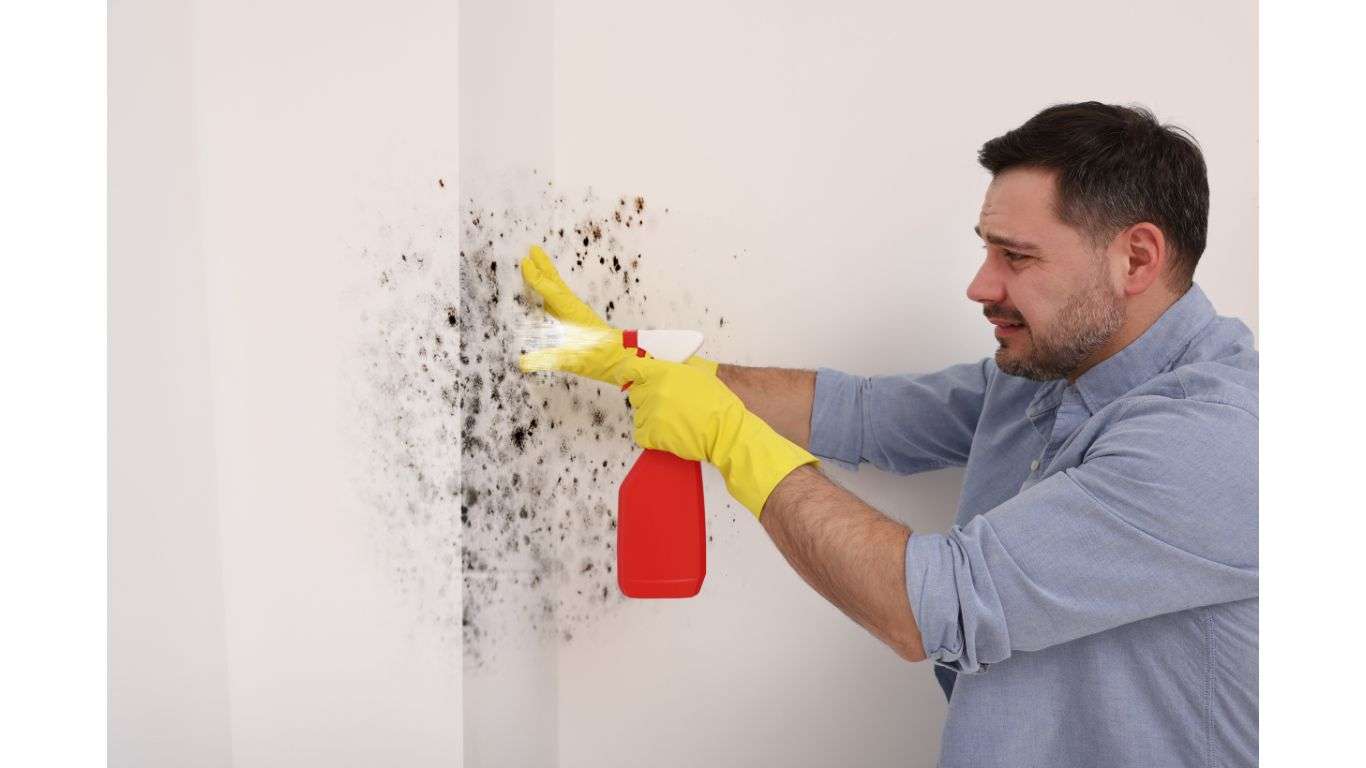
Debunking The Most Popular Mold Myths
Mold: it’s a word that can trigger worry in any homeowner. Despite its common occurrence, numerous myths surround mold, its effects, and how to handle it. Let’s debunk some of the most widespread mold myths and arm you with the facts.
Mold Is Only a Problem in Dirty Homes
The belief that mold growth is exclusive to dirty or poorly maintained homes is a widespread misconception. These mold myths can lead to a false sense of security and the neglect of necessary precautions in clean and well-kept environments. The truth is that mold does not discriminate based on cleanliness. Its spores are a natural part of our environment and can find their way into homes through open doors, windows, ventilation systems, and even on clothing or pets.
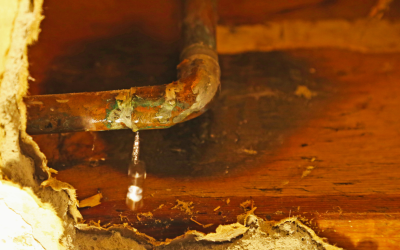
Once inside, mold spores can lie dormant until they encounter the perfect conditions to start growing. These conditions include moisture, warmth, and organic materials for food—common in many homes regardless of their cleanliness. For instance, leaky pipes, condensation, or high humidity levels can provide a mold breeding ground. It can grow on a variety of surfaces, including walls, ceilings, carpets, furniture, and even behind wallpaper.
It’s crucial to know that finding mold doesn’t mean you’re unclean or don’t keep your house tidy. Instead, it shows that the environment in your home is suitable for mold to grow. To stop mold from returning, you need to fix things like leaks, ensure there’s enough air circulating, and control the amount of moisture in your home. These steps are essential for keeping mold away, no matter how clean you keep your house.
By debunking these mold myths, we aim to highlight the importance of vigilance and proper home maintenance in preventing mold growth. It’s not just about cleanliness; it’s about understanding and managing the environmental factors that contribute to mold proliferation.
Bleach Is the Best Mold Killer
For mold problems, people have long hailed bleach as the go-to solution. Its strong disinfectant properties give the impression that it can conquer any mold infestation. However, this belief oversimplifies the issue and overlooks the limitations of bleach as a mold remediation tool.
Firstly, it’s crucial to understand that bleach’s effectiveness is primarily surface-level. On non-porous surfaces such as tiles, glass, and countertops, bleach can kill mold spores and bleach their color, making the surface appear clean. However, mold often grows more profound than the surface, especially in porous materials like wood, drywall, and carpet. These materials absorb water, providing mold with the moisture it needs to thrive below the surface. Applying bleach may decolorize the mold on the surface, but it doesn’t penetrate deeply enough to address the root of the problem—the hyphae (or roots) of the mold.
Moreover, the composition of bleach makes it a less-than-ideal solution for mold. Household bleach contains a significant amount of water. After the bleach’s chlorine component evaporates, the remaining water can worsen the problem it intended to solve by contributing to further mold growth.
Another critical aspect to consider is the health risks associated with using bleach. The fumes from bleach can be harmful to breathe, especially in enclosed spaces without proper ventilation. For individuals with respiratory issues or sensitivities to chemicals, the use of bleach can pose serious health risks.
Experts advise against using bleach to remove mold, primarily when it has spread a lot. They suggest using mold and mildew removers approved by the EPA instead. These cleaners get into materials like wood and kill mold without leaving any harmful leftovers or making things wetter.
In cases of severe mold infestation, professional mold remediation is often necessary. Professionals have the tools, techniques, and protective equipment to safely and effectively remove mold from all types of surfaces, ensuring that it doesn’t return.
By proving wrong the idea that bleach is the top mold killer, we urge homeowners to find safer and more efficient ways to deal with mold. Knowing the drawbacks of bleach and how mold grows helps pick the best method for getting rid of it, making sure your home is healthier to live in.
A Little Mold Isn’t a Big Deal
Minimizing the presence of mold, especially when it appears to be a minor issue, is a common mistake that can lead to significant problems over time. The idea that a small patch of mold is harmless underestimates the potential health risks, and structural damage mold can cause. Understanding the real impact of mold, regardless of its size, is crucial for maintaining a healthy living environment.
Health Impacts of Small Mold Infestations
Even a small amount of mold can be a health hazard, particularly for individuals with allergies, asthma, or compromised immune systems. Mold produces allergens, irritants, and, in some cases, toxic substances known as mycotoxins. Exposure to these substances can cause a range of health issues, from mild allergic reactions like sneezing and skin irritation to more severe respiratory problems. For sensitive individuals, even minimal exposure to mold spores can trigger symptoms.
It’s also important to note that mold spores are microscopic and can easily become airborne. Once airborne, they can spread throughout your home, potentially leading to new mold growth in other areas. This spread can exacerbate the health risks, making even a small mold problem a concern for the entire household.
Structural Risks and Hidden Mold
Aside from health concerns, a small visible mold spot may indicate a more extensive, hidden problem. Mold thrives in damp places, indicating possible water damage or moisture issues. If ignored, these problems could harm the structure of your home. Materials such as wood and drywall are especially at risk from mold, which can gradually weaken the building’s framework.
Moreover, the visible mold you see might be just the tip of the iceberg. Mold can grow in places we can’t easily see, like behind walls or under floors. This makes it easier to know how bad the problem really is with a professional checking it. Even a minor mold issue can get much worse fast, needing a lot of work and money to fix.
Taking Action Against Mold
Taking mold seriously is crucial because it can harm your health and damage your home’s structure. If you find mold, deal with any dampness right away. Think about hiring experts to check for mold and get rid of it properly. To stop mold from returning, keep humidity levels normal, ensure enough air circulation, and fix any leaks quickly.
By challenging the mold myths that a bit isn’t a big deal, we highlight the importance of proactive mold management. Recognize the risks of even small amounts of mold. This encourages timely action to protect your health and your home.