 All Dry Services of East Tennessee

 60 Min Response Time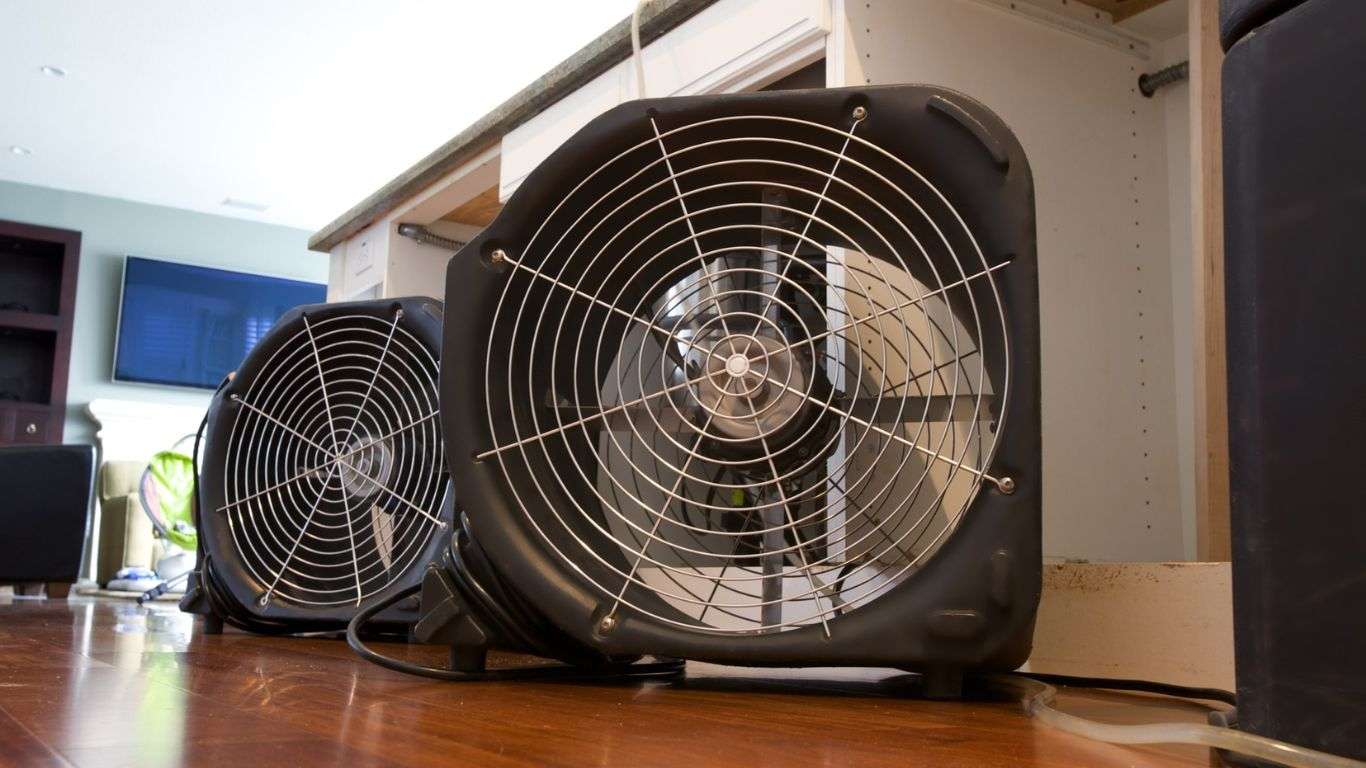
Structural Drying: A Key Step in Effective Water Damage Restoration
Water damage can cause chaos for property owners, leading to significant structural issues if not addressed promptly. Ensuring the structural integrity through effective drying is pivotal in water damage restoration. This process ensures that it removes all moisture from the building materials, preventing further damage and mold growth. Let’s explore why structural drying is vital and how it contributes to effectively restoring water damage.
The Importance of Structural Drying
Effective structural drying is essential for several reasons. First, it prevents mold growth, which can start within 24-48 hours of water exposure. Mold can lead to significant health concerns, such as breathing problems and allergies, and can cause extensive damage to building materials. Additionally, proper drying stops the deterioration of wood, drywall, and other materials, preserving the property’s structural integrity and preventing costly repairs.
Structural drying also mitigates the risk of secondary water damage, such as warping, swelling, and weakening of materials. This ensures that the building remains safe and stable for occupants. Moreover, thorough drying helps eliminate unpleasant odors that often accompany water damage, improving indoor air quality.
By addressing moisture issues promptly and comprehensively, structural drying plays a critical role in maintaining the longevity and safety of the property. Neglecting this crucial step can lead to prolonged damage and significantly higher restoration costs in the future.
The Structural Drying Process
The structural drying process typically involves four main steps to ensure complete moisture removal and prevent further damage.
Water Extraction
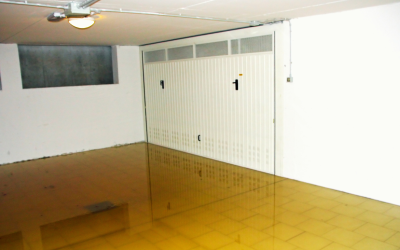
The initial task involves removing standing water using powerful pumps and vacuums. This initial extraction is crucial to reduce the amount of water that needs drying out and to prevent water from spreading to unaffected areas.
Airflow
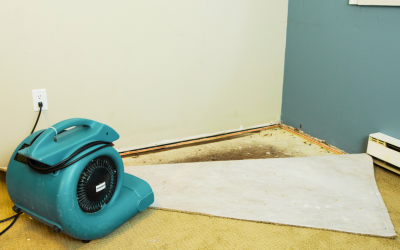
High-velocity air movers are strategically placed throughout the affected area to promote evaporation. These air movers create a continuous flow of air across surfaces, speeding up the drying process by evaporating moisture from building materials like walls, floors, and ceilings.
Dehumidification
Industrial-grade dehumidifiers effectively remove moisture from the air. These machines lower the humidity levels in the affected area, which accelerates the drying of wet materials and prevents secondary issues like mold growth and further structural damage.
Monitoring
Professionals consistently track moisture levels during drying, employing technical tools like moisture meters and thermal imaging cameras. This monitoring ensures that all areas are drying properly and helps identify hidden moisture pockets that could cause problems later.
These steps are crucial to ensuring that the drying process is thorough and effective, ultimately restoring the property to its pre-damage condition.
Equipment Used in Structural Drying
Professional restoration companies rely on advanced equipment to ensure effective structural drying. The essential tools used include air movers, dehumidifiers, and moisture meters.
Air Movers
These high-velocity fans promote rapid evaporation by increasing airflow across wet surfaces. They are strategically placed to create continuous air circulation, which speeds up the drying process for walls, floors, and other structural elements.
Dehumidifiers
Industrial-grade dehumidifiers are essential for reducing moisture levels in the air. These machines extract water vapor from the air, preventing building materials from reabsorbing. This step is crucial in maintaining a low-humidity environment, which is necessary for thorough drying.
Moisture Meters
These tools gauge the moisture levels in different materials. Professionals use moisture meters to monitor the drying progress and ensure that all areas are adequately dried. There are different types of moisture meters, including pin-type, pinless, and thermal imaging cameras, each suited for specific applications.
Thermal Imaging Cameras
These cameras detect temperature variations in building materials, helping to identify hidden moisture pockets that are not visible to the naked eye. By pinpointing these areas, restoration professionals can target specific spots that need additional drying.
Using this specialized equipment ensures that the structural drying process is thorough, efficient, and practical, ultimately safeguarding the property’s integrity and preventing further damage.
The Role of Professionals in Structural Drying
Hiring structural drying professionals is crucial to ensuring effective water damage restoration. These experts bring specialized knowledge, experience, and equipment to the table, ensuring they correctly handle every aspect of the drying process. Professionals comprehend the intricacies of water damage, adeptly evaluating its scope, pinpointing concealed moisture spots, and devising a detailed drying strategy tailored to the property’s unique requirements.
They have access to advanced drying equipment, including high-velocity air movers, industrial-grade dehumidifiers, and thermal imaging cameras, essential for thorough drying. With their expertise, professionals perform the drying process swiftly and effectively, minimizing the risk of secondary damage like mold growth and structural weakening. They ensure that all moisture is effectively removed from the property, regularly monitoring and adjusting to guarantee completeness.
Hiring professionals provides peace of mind, knowing experts will restore the property to its baseline condition before the damage occurs, ensuring safety and stability. This reduces stress for homeowners and helps maintain a safe and healthy living environment. The role of professionals in structural drying is indispensable for effective water damage restoration, preventing further issues, and ensuring the property’s long-term stability.
Benefits of Timely Structural Drying
Timely structural drying offers numerous essential benefits for effective water damage restoration. First and foremost, it prevents mold growth, which can start within just 24-48 hours after water exposure. Mold not only poses significant health risks, such as respiratory issues and allergic reactions, but it can also cause substantial damage to building materials. By promptly addressing moisture, structural drying stops mold before it becomes a problem.
Additionally, timely drying preserves the property’s structural integrity. Water can cause wood to warp, drywall to deteriorate, and other materials to weaken. Immediate drying prevents these issues, maintaining the building’s stability and safety. This proactive approach also reduces restoration costs, as it minimizes the extent of damage and the need for extensive repairs.
Furthermore, timely structural drying improves indoor air quality by removing excess condensation that can lead to musty odors and airborne contaminants. This fosters a healthier living space for residents. Timely structural drying is crucial for preventing mold growth, preserving structural integrity, reducing restoration costs, and enhancing indoor air quality.
Structural drying is a key step in effective water damage restoration. It prevents mold growth, preserves the building’s structural integrity, and reduces restoration costs. By understanding the importance of this process and relying on professional services, property owners can ensure their homes and businesses achieve a safe and healthy condition. Remember, when dealing with water damage, prompt and thorough structural drying is essential for successful restoration.
To stay current with us, please follow our Facebook and LinkedIn pages.