 All Dry Services of East Tennessee

 60 Min Response Time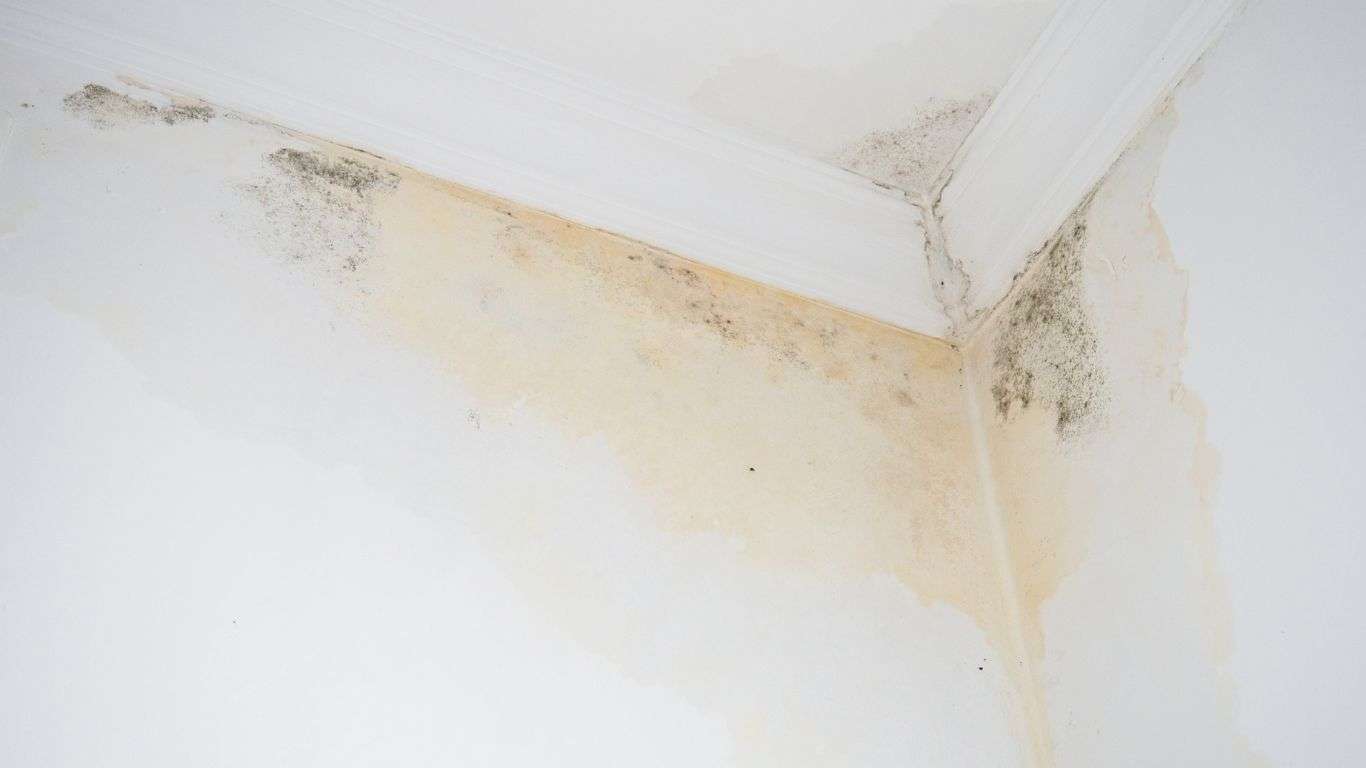
Why Structural Drying Is Essential for Preventing Mold Growth
Mold growth in buildings can be a significant health hazard and a structural nightmare. It’s vital to grasp the significance of structural drying in preventing mold growth. This knowledge helps in maintaining a healthy living environment. This blog post will delve into why structural drying is not just important but essential.
Understanding Mold Growth
Mold, a type of fungus, grows almost everywhere, both indoors and outdoors. It reproduces through minuscule spores that travel through the air, invisible to the naked eye. Mold spores are hardy and can survive harsh conditions, even when moisture is absent. However, for mold to grow and thrive, it needs moisture, which is why it often appears in damp or water-damaged areas.
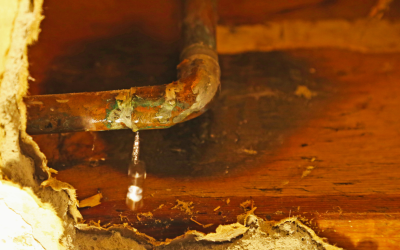
A variety of factors can trigger mold growth in buildings. Common culprits include flooding, leaky roofs, plumbing leaks, or high indoor humidity. Poor ventilation can make things worse. It creates stagnant air, letting humidity build up and mold grow. Materials like wood, wallpaper, insulation, and carpet can absorb moisture. This scenario provides an ideal setting for mold to thrive and proliferate.
Mold growth is not just a cosmetic issue; it’s a health hazard. Certain individuals have a heightened sensitivity to molds, and exposure to them can trigger symptoms like sneezing, sore eyes, coughing, or even asthma attacks. Extended exposure to mold over time may result in increasingly serious health concerns, especially for those with weakened immune systems.
Exploring the factors that contribute to mold development is the first step in preventing it. Controlling moisture and ensuring good ventilation can greatly reduce the risk of mold. Ensuring this is crucial to upholding a safe and healthy indoor atmosphere. Being aware of water damage and acting quickly are essential. This helps keep your indoor space healthy and stops mold from spreading.
The Importance of Structural Drying
Drying is a key step in water damage restoration. It aims to remove extra moisture from materials quickly and efficiently. This process is vital for preventing mold growth and safeguarding the building’s integrity. Water in a structure can cause immediate damage, like staining and swelling. But, the long-term effects, such as mold and decay, pose even greater risks.
Moist conditions provide an ideal environment for mold to thrive and reproduce rapidly. If a building remains wet for an extended period, mold can start to grow within 24 to 48 hours. Therefore, initiating structural drying promptly after water damage is crucial. This process involves more than just drying surfaces. It targets moisture trapped in walls, floors, and ceilings to ensure a dry space.
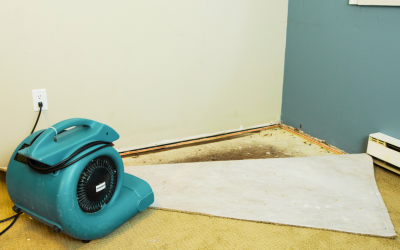
Professional restorers use advanced drying techniques and equipment, including dehumidifiers, air movers, and heaters. These tools work together to create airflow and reduce humidity. They draw moisture out of porous building materials and speed up drying.
Timely structural drying can prevent building materials and structural elements from deteriorating. This saves homeowners and businesses from costly repairs or replacements. Structural drying helps keep indoor air clean by preventing mold-related health risks. It deals with current moisture problems. It also stops future issues, making homes and workplaces safer and longer-lasting.
Techniques for Effective Structural Drying
It is important to dry structures effectively. This requires using a scientific approach and specialized equipment to completely remove moisture. This process helps moisture evaporate quickly and effectively, stopping mold from growing in that environment.
High-velocity air movers are crucial in the structural drying process. They promote rapid evaporation by moving large volumes of air across wet surfaces. This constant airflow helps to lift moisture from materials, speeding up their drying time. Industrial-grade dehumidifiers are essential for controlling indoor climate. They reduce humidity levels, drawing moisture out of building materials to prevent water damage. Maintaining balanced humidity aids the drying process.
Applying heat to affected areas can further enhance the drying process. Warm air can hold more moisture than cold air, and heating an area increases the evaporation rate. However, this method must be managed carefully. It should avoid damaging materials or unintentionally promoting mold growth in other areas.
Ongoing surveillance is crucial to guarantee the efficiency of the structural drying process. Moisture meters and thermal imaging cameras are frequently employed to detect hidden water damage and assess structural integrity. This ongoing assessment effectively guides the drying strategy. Documenting the drying process is crucial for insurance claims and ensuring thorough drying.
Integrating these techniques allows professionals to effectively dry structures. This helps mitigate the risk of mold growth and ensures the preservation of the building’s structural integrity.
Long-Term Benefits of Preventive Measures
Implementing preventive measures for moisture control has significant long-term benefits. These measures also help with structural drying, which goes beyond just preventing mold. Taking proactive steps can help protect the structure of a building and improve indoor air quality. It can also save money by preventing expensive repairs and replacements.
When buildings are well-maintained and kept dry, they are less likely to have issues. Moisture and mold can cause many problems, but proper upkeep helps prevent them. Mold not only damages building materials, leading to rot and decay, but it also poses serious health risks to occupants. Property owners keep the environment safe by stopping mold growth with good structural drying. This helps to keep the property healthier and more comfortable. Effective moisture management also contributes to a healthier living or working space. Cleanliness is crucial in schools, hospitals, and homes with young children or elderly residents. To make a healthy and safe environment is essential for the well-being of all individuals.
Regular checks and maintenance on a building’s plumbing, roof, and other water entry points prevent leaks and damage. Keeping an eye on these areas helps avoid costly repairs later on. Proper ventilation helps control humidity and prevent mold. Investing in these steps saves money in the long run, as preventing damage costs less than fixing it later.
Well-maintained buildings without moisture or mold usually have higher values. This is because they are more attractive to buyers and can sell for more money. They are more attractive to buyers and tenants who value healthy indoor environments. Therefore, the long-term benefits of preventive moisture control extend beyond just immediate concerns. They protect the property’s value and appeal, in addition to its structure and health.
To stay current with us, please follow our Facebook and Linkedin pages.