 All Dry Services of East Tennessee

 60 Min Response Time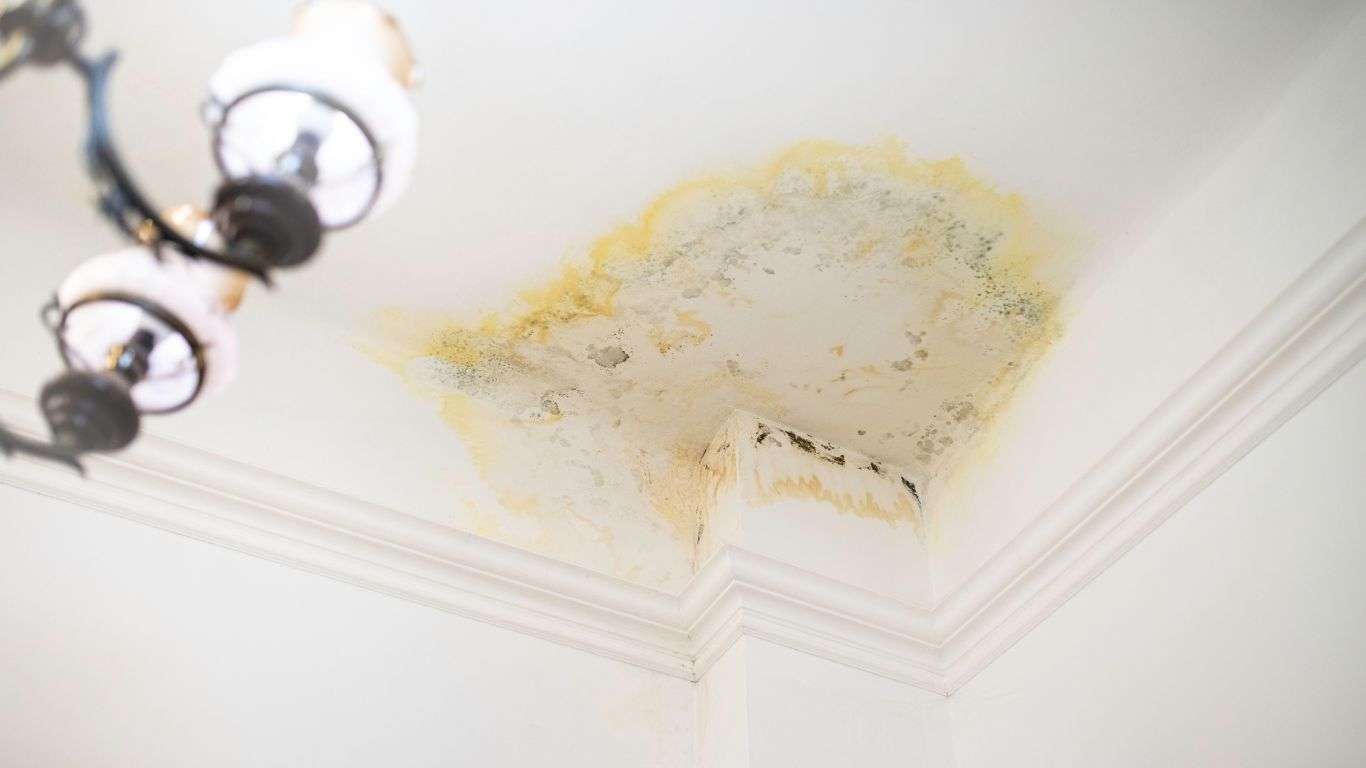
How Mold Infestation Can Damage Your Home’s Structure
Mold infestation occurs when mold spores find a suitable environment to thrive, typically in areas with high humidity and moisture. These spores can spread quickly, leading to significant growth in hidden places like behind walls, under floors, and attics. Understanding the causes of mold infestation is crucial for prevention and early detection.
Weakening of Structural Materials
Mold thrives on natural substances such as wood, drywall, and insulation, which are commonly used in home construction. When mold spores land on these surfaces and find the right conditions, they start to grow and spread. The process begins with mold releasing enzymes that break down the organic matter, allowing it to absorb the nutrients it needs to thrive. This biological degradation weakens the structural materials over time.
Wood is particularly vulnerable to mold damage. As mold grows on wood, it breaks down the cellulose fibers, decreasing the wood’s strength and integrity. This can result in wood warping, cracking, and even rotting. In severe cases, the wood may lose its load-bearing capacity, posing serious safety risks to the structural stability of your home. For instance, mold growth can compromise floor joists, wall studs, and roof rafters, causing sagging floors, bowed walls, and weakened roofs.
Drywall, another common building material, is also susceptible to mold damage. When mold grows on drywall, it can cause the material to become soft and crumbly. This not only weakens the walls but also creates unsightly stains and a musty odor. Moldy drywall can also breed more mold, spreading spores in your home and making the problem worse.
Insulation materials, often hidden within walls and attics, are neither immune to mold. Mold can penetrate insulation, reducing its effectiveness and compromising your home’s energy efficiency. This could result in increased utility costs and a less cozy home atmosphere.
Addressing mold infestation early is crucial to preventing significant damage to structural materials. Regular inspections, prompt leak repairs, and proper ventilation can keep mold away and protect your home’s structure.
Damage to Foundations and Basements
Foundations and basements are particularly susceptible to mold infestation due to their constant exposure to moisture. These areas often have higher humidity levels, making them ideal environments for mold growth. When mold starts growing in these areas, it can cause severe damage, and this can really mess up the structure of your home, putting its stability at risk.
Mold can affect concrete, a common material used in foundations. While mold does not feed on concrete, it can penetrate its porous surface, accumulating moisture. Over time, this dampness can lead to the concrete cracking and wearing away. These cracks not only weaken the foundation but also provide additional entry points for water, exacerbating the problem. A compromised foundation can lead to several issues. These include uneven floors, cracked walls, and doors or windows that do not close properly, which can indicate serious structural issues.
Basements, often used for storage or as living spaces, are also at risk. Mold can grow on various materials found in basements, including wood, drywall, and insulation. The expansion of this mold can cause the decay of these surfaces, causing significant damage. For instance, mold on basement walls can cause paint to peel, wallpaper to bubble, and wood to rot. Insulation affected by mold loses its effectiveness, resulting in higher electricity bills and a less cozy atmosphere.
Also, basement mold growth can lead to a pervasive musty odor, making the space unpleasant and potentially uninhabitable. The mold spores released can also circulate through the home’s ventilation system, spreading the infestation and causing health issues for the occupants.
Preventing mold damage to foundations and basements involves controlling moisture levels. Proper drainage around the foundation can accomplish this, as can using dehumidifiers in the basement and making sure gutters and downspouts direct water away from the home. Regular inspections for signs of mold can preserve your home’s foundation and basement strength. Prompt attention to any water issues is also crucial for preserving these areas.
Compromised Insulation and Energy Efficiency
Mold infestation can significantly impact your home’s insulation, leading to compromised energy efficiency. Insulation materials like fiberglass and foam can easily develop mold if they get damp. As mold colonizes these materials, it reduces their insulating properties. This decrease in effectiveness means that your home’s heating and cooling systems must work harder. They need to maintain a comfortable room climate.
Compromised insulation results in increased energy consumption and higher utility bills. Additionally, mold within insulation can lead to the spread of spores throughout the home via the HVAC system. This not only exacerbates the mold problem but also poses health risks to the occupants, such as respiratory issues and allergies.
Addressing mold growth promptly and ensuring that insulation remains dry and free from mold is essential for maintaining optimal energy efficiency. Ensuring your insulation stays mold-free is easy with regular checks and good ventilation practices.
Hidden Mold, The Silent Destroyer
Hidden mold is a significant threat to your home’s structure because it often goes unnoticed until substantial damage has occurred. Mold can grow behind walls, under flooring, in attics, and within ductwork, making it difficult to detect without thorough inspection. Hidden colonies of mold quietly consume organic materials like wood, drywall, and insulation, leading to structural weakening and deterioration over time.
The silent nature of hidden mold means that it can spread extensively before any visible signs, like stains or a musty odor, appear. By the time you become aware of the infestation, the damage may already be extensive and costly to repair. Additionally, hidden mold can degrade indoor air quality. Mold spreads tiny spores that can float around your living space, potentially triggering allergies and breathing troubles for those inside.
Regular professional inspections, moisture control, and prompt attention to any signs of water damage are essential. These measures help detect and mitigate hidden mold growth, protecting both your home’s structure and your family’s health.
Preventing mold infestation involves controlling moisture levels in your home. Ensure good airflow in humid areas like bathrooms, kitchens, and basements. Use dehumidifiers when needed and fix leaks or water damage promptly. Check your home often for mold and deal with it quickly to preserve your home’s integrity.
To stay current with us, please follow our Facebook and LinkedIn pages.