All Dry Services of Denver

 60 Min Response Time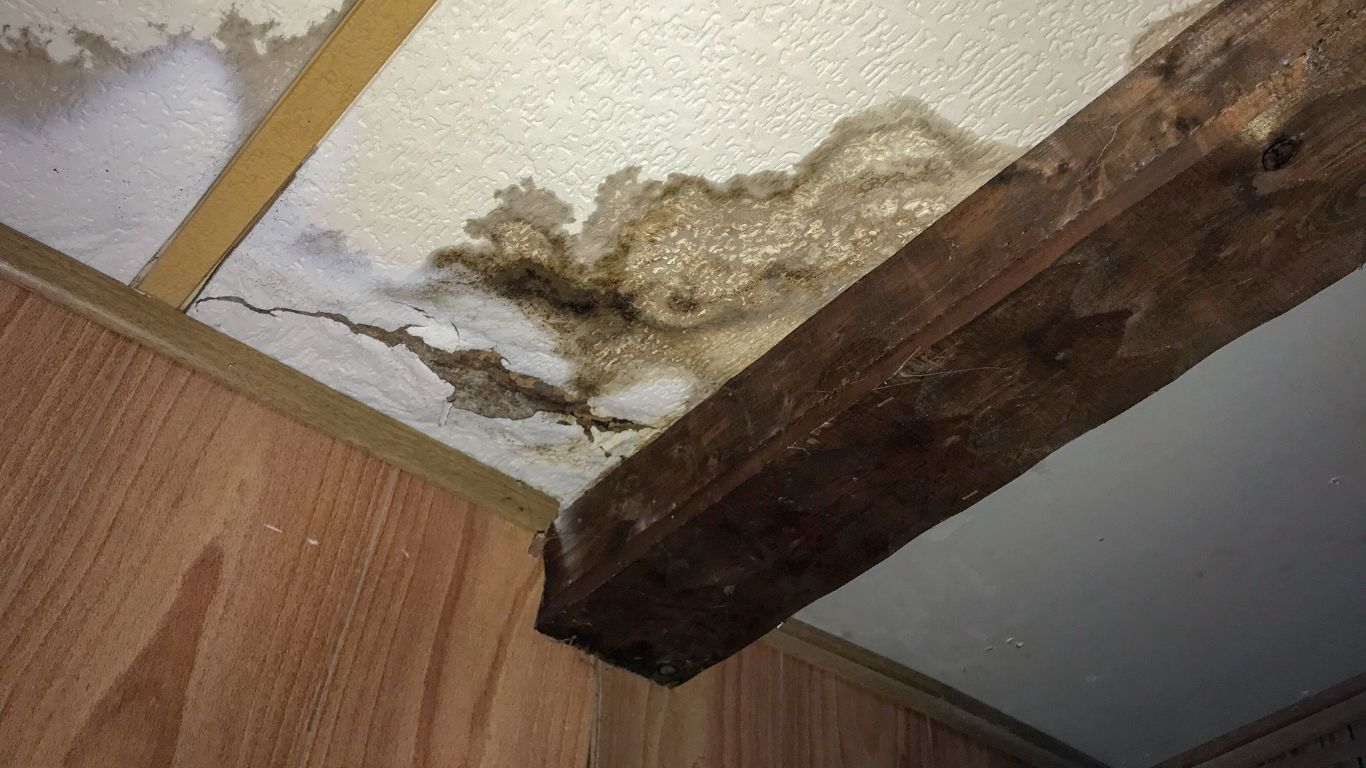
Understanding the Process of Water Damage Restoration in Denver, CO
Water damage restoration in Denver is a detailed process aimed at protecting and repairing properties affected by water. Quick action is vital here in the Mile High City, where sudden snowmelt, heavy summer thunderstorms, and frozen pipe bursts can cause extensive property damage. The right approach not only minimizes repairs but also prevents future issues. Acting promptly can make the difference between a quick recovery and costly, long-term repairs.
The Crucial Steps in Water Damage Restoration in Denver
The first step in any Denver water damage restoration project is assessing the affected area as soon as possible. Professionals will locate the source, categorize the water, and develop a restoration plan. Using specialized equipment, they remove standing water and begin preventing further damage. From historic homes near Cheesman Park to modern condos in LoDo, every property type requires a tailored approach.
Experts also focus on identifying hidden damage, as even a small leak can lead to mold growth if not addressed quickly. Modern restoration services use advanced tools to safely remove moisture and repair salvageable materials, making insurance claims easier and ensuring nothing is overlooked.
Identifying the Source of Water Intrusion in Colorado Homes
Finding where water is entering your home or business is critical before starting repairs. Whether it’s snowmelt seeping into basements in Washington Park, a burst pipe in a Highlands home, or a roof leak after a hailstorm in Lakewood, identifying the source prevents repeat incidents. This is where leak detection plays a crucial role, using infrared cameras, moisture meters, and other tools to track the problem back to its origin.
Denver properties face risks from clean water (supply lines), gray water (appliances), and black water (flooding or sewage backups). Knowing the source helps determine the right repair plan, ensuring safety and efficiency throughout the process.
Assessment and Documentation for Insurance Claims
Accurate assessment and documentation are key for a smooth restoration and insurance process. Trained technicians will thoroughly evaluate the affected areas, record moisture levels, and note all structural or cosmetic damage.
From the historic brick buildings of Capitol Hill to new builds in Stapleton, no property is immune to water issues. By creating a detailed restoration plan, professionals ensure transparency, faster approvals from insurance companies, and a roadmap for efficient repairs—whether it’s residential or commercial restoration projects.
Effective Water Extraction for Denver Properties
Removing water quickly is essential in preventing additional damage, especially in Denver’s varied climate. Professionals use powerful pumps, vacuums, and specialty tools to clear standing water. This step helps speed up drying and minimizes structural damage.
The type of extraction depends on the situation—submersible pumps may be used for flood damage restoration in Park Hill basements, while wet/dry vacuums work well for smaller spaces. A fast and thorough extraction process also prevents swelling in wood floors, a common problem in older Denver homes.
Drying and Dehumidification for High-Altitude Recovery
After extraction, drying and dehumidification are critical. Colorado’s high-altitude climate means low humidity most of the year, but indoor spaces affected by water can retain damaging moisture for weeks without proper treatment. Professionals use industrial-grade fans, heaters, and dehumidifiers to target problem areas.
This step prevents mold growth, protects your home’s structure, and prepares the property for repairs. From loft apartments downtown to ranch-style homes in Aurora, proper drying ensures long-term safety and stability.
Addressing Mold Growth in Water-Damaged Areas
Mold can develop quickly in water-damaged spaces, even in Denver’s dry climate. Without immediate action, it can cause health issues and weaken building materials. Restoration specialists use containment methods, HEPA filtration, and targeted treatments to eliminate mold and prevent regrowth.
Whether it’s a crawlspace in Edgewater or a finished basement in Centennial, mold removal & remediation is an essential part of restoring a water-damaged property.
Expanding Restoration Beyond Water Damage
While water is a major threat, Denver homes and businesses also face risks from fire, smoke, and severe weather. In addition to water restoration, many professionals also provide fire damage restoration and smoke damage restoration to address the aftermath of house fires.
Following heavy winds or hail, storm damage restoration services protect roofs, siding, and interiors from further harm. In cases involving black water or contamination, specialized sewage cleanup is critical for safety. Persistent smells after water or fire events can be handled through odor removal services, restoring indoor air quality and comfort.
Why Professional Water Damage Restoration in Denver Matters
While some homeowners try DIY water cleanup, professional restoration ensures nothing is missed. Experts bring specialized equipment, training, and experience to detect hidden damage, repair structures, and restore your property quickly.
Professionals also know how to navigate local building codes and insurance requirements, ensuring a smooth and stress-free recovery process for both residential and commercial restoration needs.
Preventing Future Water Damage in Colorado
Preventing future incidents is as important as fixing the current damage. Homeowners should regularly inspect plumbing, test sump pumps, and maintain proper drainage—especially important in Denver neighborhoods prone to heavy runoff, like those near the South Platte River.
Installing moisture detection systems and taking proactive steps can save thousands in repairs. Knowledge is your strongest defense, and working with restoration experts ensures your property is ready for Colorado’s unpredictable weather.