 All Dry Services of Central Mass

 60 Min Response Time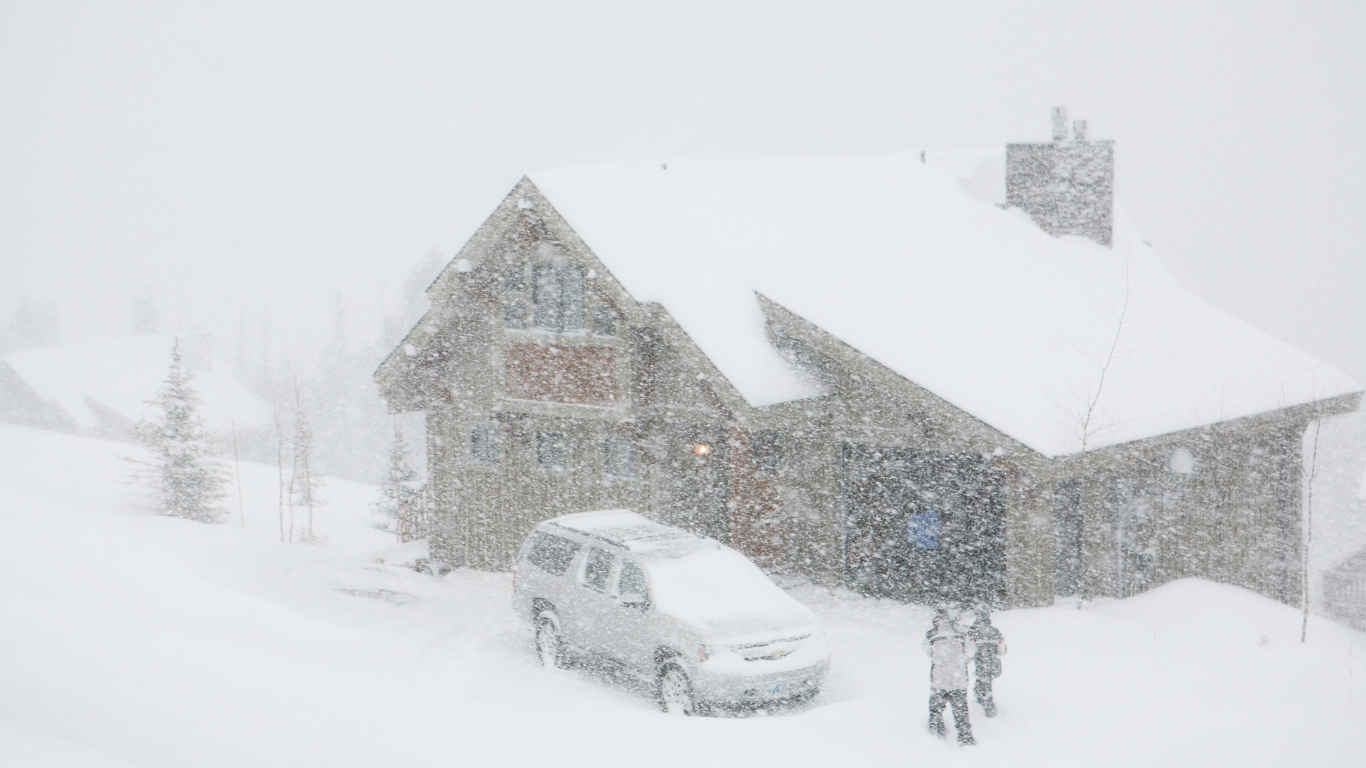
How Snow and Ice Can Damage Homes Across Central Massachusetts
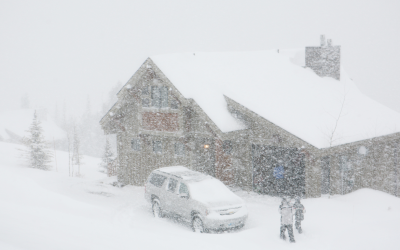
Central Massachusetts experiences winter storms as a standard weather pattern, with Worcester, Springfield, and Fitchburg receiving the most snowfall. The beauty of snowfall can become dangerous, as it poses risks that can result in property damage. Winter weather conditions can cause hidden damage from ice dams and frozen pipes, which will remain undetected until later. Leak detection technology enables the detection of minor leaks, helping homeowners avoid costly repairs. The article will explain how snow and ice can destroy homes and provide tips to help you safeguard your property.
Why Snow and Ice Are a Big Deal in Central Massachusetts
Seasonal Weather Patterns
Central Massachusetts experiences multiple weather-related difficulties throughout its winter season. The area experiences heavy snow, ice storms, and numerous freeze-thaw cycles, which all combine to put homes under stress. The region’s climate favors snow accumulation on roofs, leading to ice dams and frozen pipes that can cause water damage if not properly managed. Homeowners in Worcester and Springfield should be aware of how winter weather can impact their properties.
Common Snow and Ice Threats
When daytime snow melts, and nighttime temperatures drop, ice dams form on your roof. These dams block water flow and force it back under your shingles, creating leaks that can damage your ceilings, walls, and insulation. Heavy snow can create a dangerous situation for your roof by exceeding safe weight limits, leading to structural damage if not removed properly. Ice buildup in gutters and downspouts can also prevent proper drainage, causing water to back up into your home. As temperatures drop, frozen pipes become another common problem in areas like basements and crawl spaces.
How Snow and Ice Damage Starts
Roof and Attic Stress
One of the most hazardous factors of winter for your house is the weight of the snow. When snow falls on your roof, it creates a heavy load. Although most roofs can withstand the weight of snow, the constant freezing and thawing can cause water to back up and seep under the shingles, creating leaks in the attic. This kind of damage is difficult to identify until it begins to leak into your ceiling or walls.
Frozen and Burst Pipes
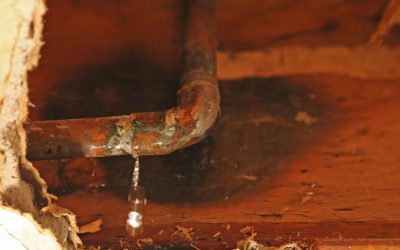
Frozen pipes are a significant issue during winter, particularly in poorly insulated homes. Central Massachusetts has low temperatures that can freeze pipes in unheated areas of homes, such as basements, crawl spaces, and exterior walls. The problem can cause flooding and severe water damage, which should be detected immediately. It is essential to detect frozen pipes because they are not visible until the leak detection system is activated. Frozen pipes in your system can be detected by two signs: reduced water pressure and unusual sounds coming from your pipes.
Water Intrusion and Early Moisture Issues
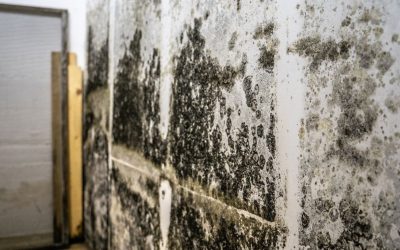
As snow melts and water starts to flow, it can seep into your home through cracks in the foundation, around window wells, or through poorly sealed doors. The water leaks, which you perceive as minor problems, will develop into significant issues because they will result in water damage to your building and its contents. The moisture these leaks produce creates an ideal environment for mold to develop, which will continue to spread over time. Once again, leak detection is the first step in addressing these issues before they get out of control.
Before Snow and Ice: Prevention Actions
Inspect and Maintain Roof and Gutters
You should walk around your home to inspect the roof and gutters before the snow begins to fall. The roof inspection should check for missing shingles, damaged flashing, and all areas where water might become trapped. Ice dams are more likely to form in clogged gutters, so clearing them out before the storm hits is a key step in preventing water damage. If you aren’t comfortable getting on a ladder, consider hiring a professional to do a roof inspection. An expert can also check for early signs of leaks and provide leak detection services to spot hidden issues.
Protect Your Plumbing
Frozen pipes are one of the most common and costly problems homeowners face during the winter months. Insulating pipes in vulnerable areas like your basement or attic is a great place to start. Additionally, you should check for any gaps or cracks around your home’s exterior that could allow cold air to reach your plumbing. When you leave your home for an extended period, set your heating system to a low temperature to prevent your pipes from freezing. The process of leak detection enables you to identify hidden leaks in your system, maintaining its safety and preventing future damage.
Seal Your Home
Your home stays warm thanks to proper insulation and sealing, which also helps protect against frozen pipes and leaks. Using caulking in the gaps between windows and doors creates a barrier that prevents cold air from penetrating, helping prevent condensation and water entry. Homeowners can regulate indoor temperatures by installing more insulation in their attics and basements. Sealing foundation cracks and pipe entry points helps prevent cold air from penetrating and freezing pipes.
Prepare for Power Outages
Power failures are common during winter storms, leaving your house without heat for several hours or even days. You have to develop a backup plan, which is a basic requirement. You have to collect blankets, batteries, and non-perishable foods to prepare for any emergency. You have to make sure your generator is functioning properly while you learn to use it safely. Leak detection services will help you identify damage caused by frozen pipes during the power outage.
During Snow and Ice Storms: What to Monitor
Watch for Snow Load and Ice Dams
While the storm is underway, monitor the snowfall on your roof. If it becomes too heavy, you might have to take some of it off to avoid any damage. A roof rake can be used to remove the snow from the ground. Avoid climbing on the roof during icy conditions, as it can be dangerous. Ice dams form when snow melts and refreezes along the edges of the roof, blocking water flow. Regular leak detection can help catch the early signs of ice-dam damage before it becomes more serious.
Check Interior for Early Signs of Trouble
You must supervise your ceilings, walls, and floors during the storm. The appearance of new water stains or damp areas indicates that snow or ice has created a leak. Early detection of water intrusion enables you to identify and resolve issues before they become significant problems. The main water supply should be turned off immediately when you suspect a leak, as this prevents further damage.
After the Storm: Inspect and Act
Inspect for Damage
The first step in assessing your property damage is to wait until the storm has passed. The inspection process requires you to check both the attic area for water damage and the roofline area for evidence of ice damming. A professional leak detection service should be contacted when you observe any visible damage, such as wet drywall or warped floors.
Document Any Problems
Take pictures and record observations of any damage you notice for insurance claims. The sooner you document the damage, the easier it will be to process your claims. If you are not sure where the damage is coming from, leak detection professionals can help locate the source.
Dry and Repair Quickly
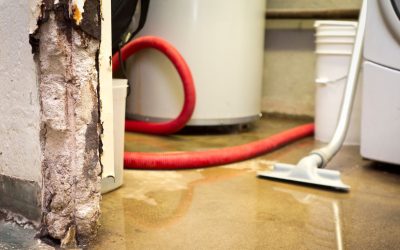
Water damage doesn’t wait. Once you’ve identified leaks or water intrusion, act quickly to dry out the affected areas. The longer you wait, the more likely it is that mold and mildew will develop. Professional water extraction and drying services can help restore your home to its original condition.
How All Dry Services of Central Mass Can Help
If your home has winter storm damage, All Dry Services of Central Mass can assist you. Our company provides three primary services: emergency water removal, leak detection, and mold remediation. Our team will respond immediately to your needs to reduce damage and restore your home to its original condition before the storm.
To stay current with us, please follow our Facebook and Instagram pages.